
Look, I get it. You saw the LEGO Colosseum online, fell in love with it, then checked the price and nearly choked on your coffee. At over $1,300 for a sealed box these days, it’s a serious chunk of change. And now you’re probably wondering: what did this thing actually cost when it came out? And more importantly, can you just buy the pieces separately and save yourself some cash?
I spent way too many hours digging through BrickLink inventories, tracking resale prices, and doing the math so you don’t have to. Here’s everything you need to know.
The Short Version
The LEGO Colosseum (10276) launched on Black Friday 2020 for:$549.99
It retired in late 2023. Sealed boxes now go for ~$1,354. But here’s the thing: buying individual pieces on BrickLink costs MORE than just snagging a complete used set. Stick around, and I’ll show you the numbers.
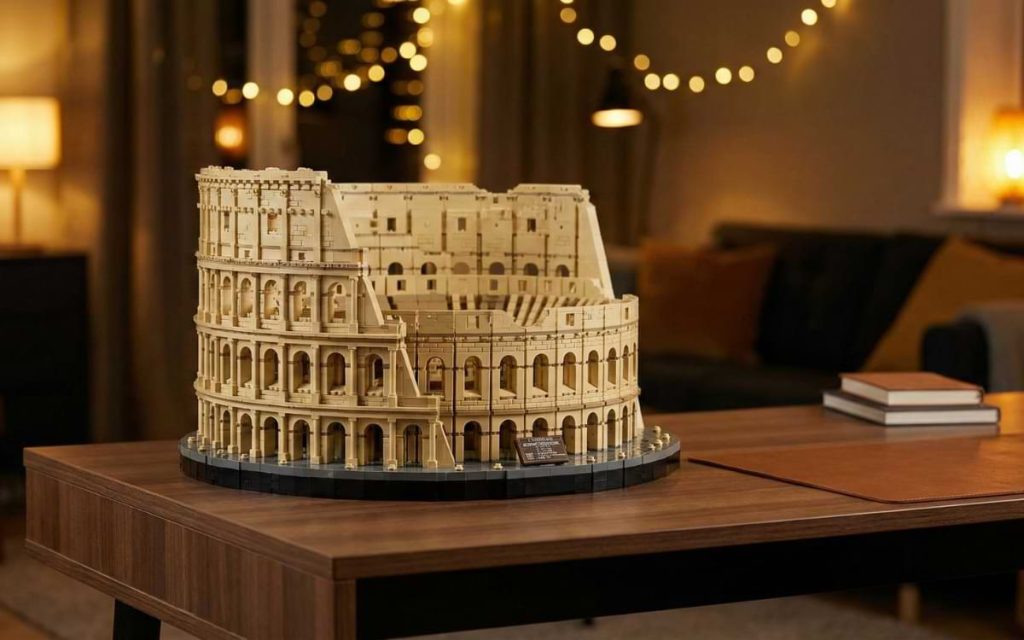
What LEGO Charged at Launch (By Region)?
When this monster of a set dropped on November 27, 2020, it was actually priced pretty fairly for what you got. At just over 6 cents per piece, it undercut the UCS Millennium Falcon by $250 despite having nearly 1,500 more pieces. Here’s what people paid depending on where they lived:
| Region | Launch Price | Per Piece |
| United States | $549.99 | $0.061 |
| United Kingdom | £449.99 | £0.050 |
| Europe | €499.99 | €0.055 |
| Canada | $649.99 CAD | $0.072 CAD |
| Australia | $749.99 AUD | $0.083 AUD |
For some context on what “good value” looks like in the collectibles world, compare this to what people pay in the luxury watch market or for classic car restorations. Suddenly, $550 for 9,000+ precision-molded pieces doesn’t sound so crazy.
Current Prices: What You’ll Actually Pay Today?
The Colosseum retired from LEGO’s shelves in late 2023, and prices have climbed steadily ever since. Here’s the reality of what it costs to get your hands on one now:
| Condition | Current Price Range | vs. Original MSRP |
| New & Sealed | $1,200 – $1,500 | +118% to +173% |
| Used (Complete with Box) | $650 – $750 | +18% to +36% |
| Used (No Box, With Manual) | $500 – $600 | -9% to +9% |
The appreciation rate has been wild, roughly 24-35% annually, depending on which tracking service you check. That’s better than a lot of investment portfolios, honestly.
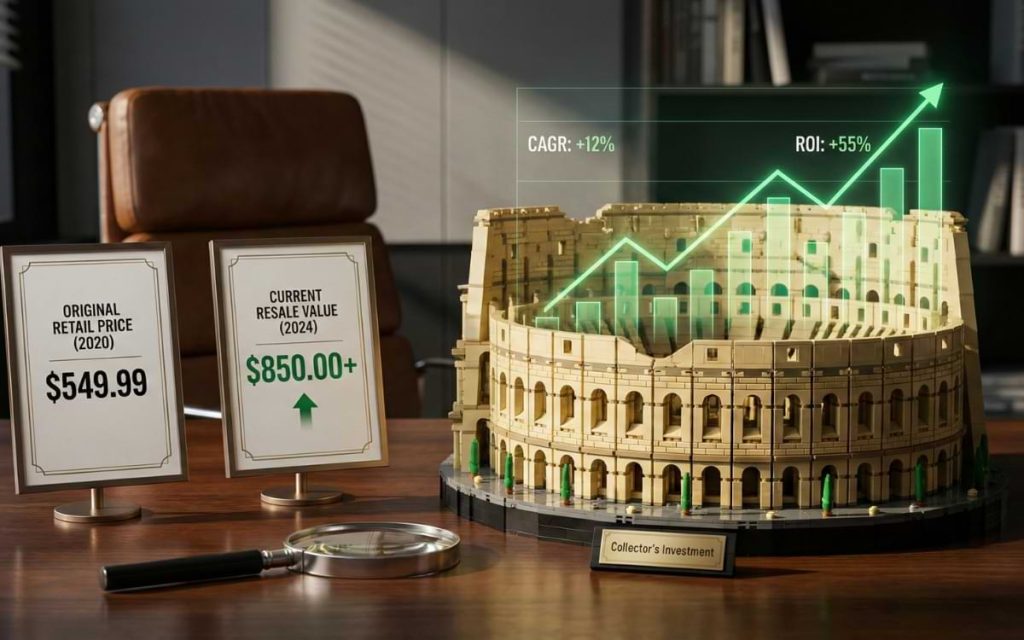
The Big Question: Is BrickLink Actually Cheaper?
Alright, let’s address the elephant in the room. Every LEGO fan has had this thought at some point: “What if I just bought all the pieces individually? Surely that’s cheaper than paying scalper prices for a complete set, right?”
I ran the numbers. The answer might surprise you.
BrickLink Individual Pieces
~$1,183
New condition, multiple sellers, plus shipping
Complete Used Set
~$593
Complete with instructions, one seller
Wait, what? Buying individual pieces costs double what a used complete set costs?
Yep. And here’s why the math doesn’t work in your favor:
- Rare color elements: The set includes 115 Dark Tan candles and 10 Olive Green Technic plates that were exclusive or new at release. Those command premium prices.
- Shipping from multiple stores: You’ll need pieces from 15-30 different BrickLink sellers. Every seller charges shipping.
- Time cost: Sourcing 9,036 specific pieces across multiple vendors takes hours. Your time has value.
- Missing pieces: Good luck if you discover you’re missing something critical halfway through the build.
✅ Bottom Line
Unless you already own 40-50% of the parts from other sets, just buy a complete used set. At ~$593 versus ~$1,183 for BrickLink parts, you save roughly $590 AND get the instructions included. The math doesn’t lie.
This is one of those pricing mistakes that costs people real money, assuming individual pieces are always the budget option. They’re not.
When Buying Parts DOES Make Sense?
To be fair, there are a few situations where parting out could work:
- You already have a massive tan brick collection from Architecture sets
- You’re fine with used/good condition pieces (brings BrickLink cost down to ~$861)
- You live near a BrickLink mega-seller who has most parts in stock
- You’re building a modified version and don’t need every piece
Quick Specs Reference
SET NUMBER – 10276
PIECE COUNT – 9,036
RELEASE DATE – Nov 27, 2020
RETIRED – December 2023
DIMENSIONS – 10.5″ × 20.5″ × 23.5″
DESIGNER – Rok Zgalin Kobe
BUILD TIME – 15-30+ hours
WEIGHT (BUILT) – ~8 kg / 17.6 lbs
Where to Buy the LEGO Colosseum Today?
Since it’s retired, you’re looking at secondary markets only. Here’s where people are finding them:
- eBay: Biggest selection. Sealed sets run $1,121 (international sellers) to $1,700+ (US). Used complete sets around $600-700.
- BrickLink: Often the best prices, especially from international sellers. I’ve seen sealed sets as low as ~$910 from Hong Kong.
- StockX: Verified authentic. Current ask around $1,306 for sealed.
- Facebook Marketplace/Local: Hit or miss, but occasionally you find someone who needs it gone fast.
⚠️ Watch Out for Fakes
Counterfeits exist for high-value LEGO sets. If a sealed Colosseum is being sold for $500, something’s off. Stick to verified sellers, check reviews, and trust your gut. Real LEGO has consistent color, tight clutch power, and the logo on every stud.
Investment Outlook (If You Care About That)
Some folks buy LEGO purely for the joy of building. Others see it as an investment. If you’re in the second camp, here’s what the data suggests:
- 1-Year Forecast: ~$1,460 (+7-8%)
- 5-Year Forecast: ~$2,000 (+47%)
- Long-term: Expected to stabilize around 10% annual growth
The Colosseum has several things working in its favor: iconic subject matter, record-breaking piece count at launch, no minifigures to drive up licensing costs, and strong appeal to adult collectors. Similar appreciation patterns show up in other collectible markets, from designer toys to gaming hardware.
Frequently Asked Questions
These are the questions that keep popping up on Reddit, LEGO forums, and collector communities. Here’s what you actually need to know:
How long does it actually take to build the LEGO Colosseum?
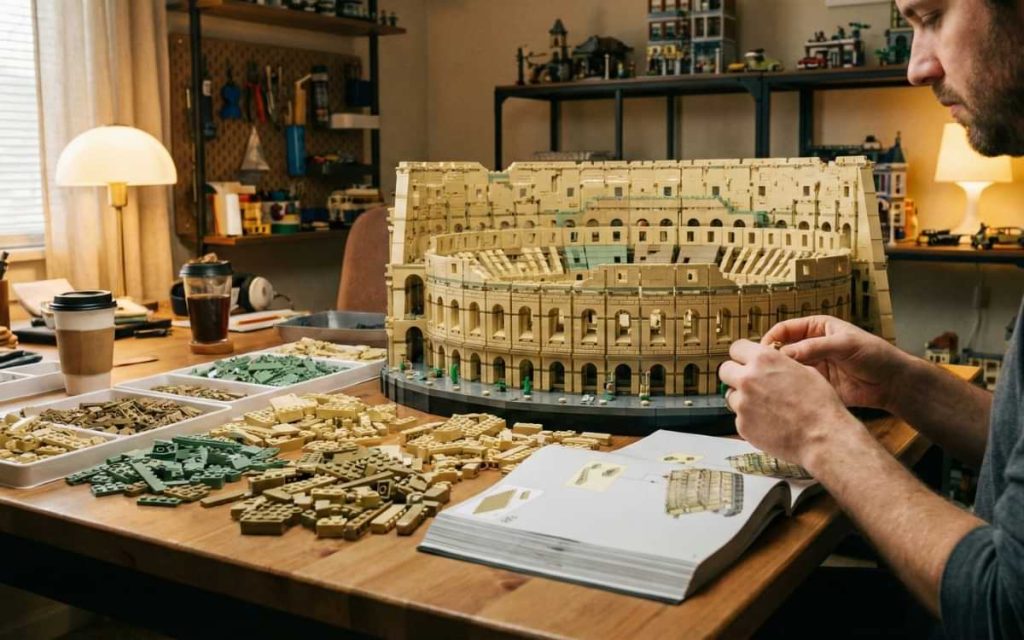
Real talk: plan for 15-30 hours spread across multiple sessions. Most people take a week or two, building an hour or so each evening. The Guinness World Record speed build was 13 hours 37 minutes, but that guy was going non-stop and nearly destroyed his fingers.
One reviewer spent 20+ hours over two days and described it as “building autopilot”. you get into a rhythm because so much of it repeats. The smart approach? Treat it like a podcast project. Queue up some shows, pour a drink, and chip away at it.
Is the build repetitive and boring? I’ve heard it’s tedious.
Not gonna sugarcoat it: yes, parts of it are repetitive. You’re building 40+ nearly identical wall segments in tan and dark tan bricks. By bag 12, you’ll feel like you could do it in your sleep.
That said, some people love this about it. One builder described it as “meditative,” mindless enough to relax but engaging enough to stay focused. If you hate repetitive tasks (like jigsaw puzzles or knitting), you might struggle. If you find repetition calming, you’ll be in heaven.
Pro tip from multiple builders: throw on Gladiator while you build. By the time Maximus faces Commodus, you should be done with the base.
How big is the finished model? Will it fit on my shelf?
The finished Colosseum measures 10.5″ tall × 20.5″ wide × 23.5″ deep (27cm × 52cm × 59cm). It will NOT fit in a standard IKEA Kallax cube. It won’t fit on most bookshelves either.
You need a dedicated surface, a console table, a large desk, or a custom display shelf. The footprint is roughly the size of a small coffee table. Plan ahead.
Can I move it once it’s built? Is it fragile?
Good news: the base is incredibly sturdy. LEGO engineered grooves on the sides specifically so you can grip and lift it. It weighs about 8 kg (17.6 lbs), so it’s heavy but manageable.
The wall sections connect via ball joints and can flex slightly, but they’re secure for normal movement. You wouldn’t want to toss it around, but carefully carrying it to another room? Totally doable. Just lift from the base, not the walls.
Is the LEGO Colosseum worth buying at current prices ($1,300+)?
Depends entirely on what you want from it.
If you want to build and display it: Buy a complete used set for ~$600. You get the full experience at barely above original MSRP. The built model looks identical whether the box is sealed or not.
If you’re investing/collecting sealed sets: Current prices around $1,300 might still appreciate, though growth is slowing. Historical LEGO data suggests 10-15% annual returns for popular retired sets is reasonable long-term.
If you’re on a tight budget: Skip it for now. There are plenty of excellent retro collectibles and current LEGO sets that scratch the same itch without the premium.
Does the Colosseum come with any minifigures?
Nope. Zero minifigures. It’s purely an architectural display piece designed for the 18+ adult collector line. Some people see this as a missed opportunity (where’s my gladiator?!), while others appreciate that it keeps the focus on the building itself.
If you bought the set during Black Friday 2020 at a LEGO store, you might have gotten a free Roman Chariot gift-with-purchase (GWP) that included a minifigure. Those GWP sets now sell for $35-40 separately.
Are there knockoff/fake versions I should avoid?
Yes, counterfeit LEGO Colosseums exist. They’re usually sold as “building blocks” or “compatible bricks” from no-name brands on AliExpress or sketchy Amazon listings. Red flags include:
- Prices way below market value ($300-400 for a “new” set)
- No LEGO branding visible in photos
- Seller based in China with few reviews
- Listing mentions “compatible with LEGO” instead of being LEGO
Fakes have inconsistent colors, loose connections, and missing details. If you’re paying Colosseum money, make sure you’re getting real LEGO.