
Last Updated: January 2026
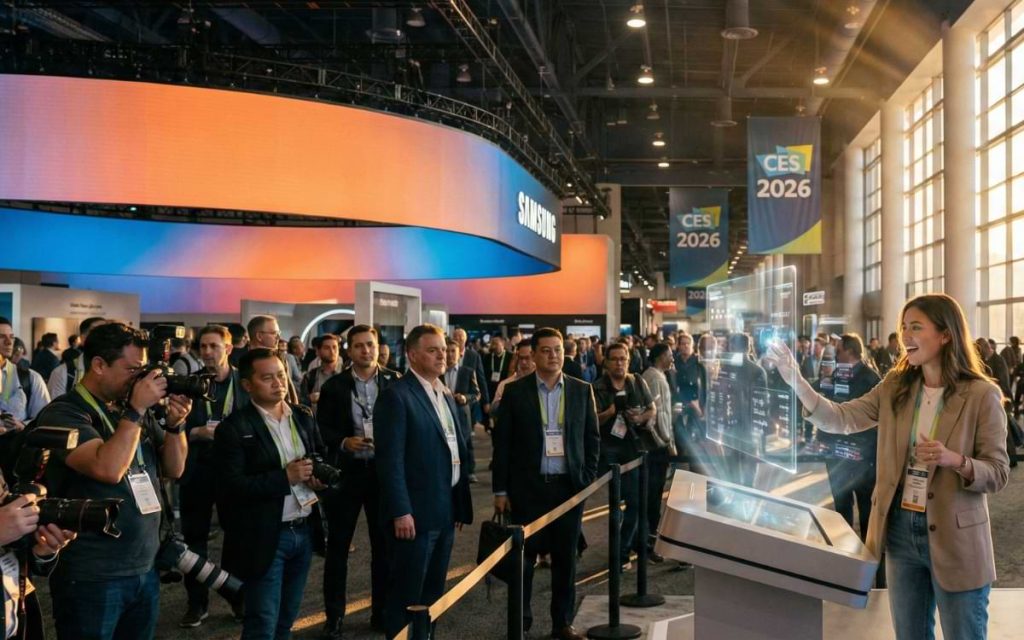
Consumer electronics pricing continues to evolve as artificial intelligence integration becomes standard across product categories. At the latest Consumer Electronics Show in Las Vegas, manufacturers unveiled pricing strategies that reflect both technological advancement and market pressures, particularly from unprecedented memory shortages affecting the entire industry.
What Are Current AI Product Price Ranges?
AI-powered consumer electronics now span from $99 entry-level devices to $4,999 premium systems. Mid-range AI gadgets typically cost between $799 and $1,899, representing the sweet spot for consumers seeking meaningful AI functionality without enterprise-level investment.
Quick Price Overview by Category:
- AI Laptops: $899 to $2,499
- AI-Powered Gaming Systems: $1,499 to $3,999
- Smart Home Robots: $650 to $2,100
- AI Wearables: $149 to $449
- Smart Rings: $199 to $399
Consumer AI Technology Pricing Breakdown
The Memory Crisis Impact on Pricing
The most significant pricing story involves unprecedented RAM and storage shortages driven by AI datacenter demand. Samsung’s marketing leader stated at CES that “there’s going to be issues around semiconductor supplies, and it’s going to affect everyone. Prices are going up even as we speak.”
This shortage affects every product category containing memory, from smartphones to gaming laptops. Industry executives acknowledge that no product with memory remains immune to these pricing pressures.
Memory-Driven Price Increases:
| Device Type | Pre-Crisis Pricing | Current Pricing | Increase |
|---|---|---|---|
| AI Laptop (16GB RAM) | $1,299 | $1,899+ | +46% |
| Gaming Desktop (32GB RAM) | $1,999 | $2,799+ | +40% |
| High-End Smartphone | $999 | $1,199+ | +20% |
| Premium Tablet | $799 | $999+ | +25% |
AMD executives suggest consumers may need to pursue “component upgrades, as opposed to full system swap-outs” during this period, with 30 to 40 percent of AMD’s business still revolving around older AM4 platform purchases to avoid premium pricing.
Artificial Intelligence Integration Costs
Beyond memory constraints, AI capabilities add measurable premiums. Neural processing units, enhanced sensors, and cloud connectivity infrastructure contribute 15 to 30 percent to device manufacturing costs for genuine AI functionality.
AI Feature Premium Analysis:
Laptop AI Capabilities:
- Dedicated neural processing unit (NPU): +$200 to $400
- Enhanced camera with AI features: +$50 to $100
- AI-optimized cooling systems: +$75 to $150
- Advanced voice recognition hardware: +$30 to $75
Smartphone AI Integration:
- On-device AI processing capability: +$150 to $300
- Advanced computational photography: +$100 to $200
- Real-time translation hardware: +$50 to $100
- AI-powered battery management: +$25 to $50
These premiums reflect real technological differences rather than marketing terminology. AI-enhanced laptops include dedicated neural processing units handling machine learning tasks locally, while AI cameras perform on-device object recognition, reducing cloud dependency.
Personal Computing with AI Features
The laptop market saw dramatic announcements as manufacturers integrated next-generation AI accelerators. Intel unveiled Core Ultra Series 3 processors, the first AI PC platform built on Intel 18A process technology designed and manufactured in the United States, powering over 200 designs from leading global partners.
Current AI Laptop Pricing Tiers:
Entry-Level AI Computing ($899 to $1,499)
- Intel Core Ultra Series 3 or AMD Ryzen AI processors
- 16GB RAM minimum (prices volatile due to shortage)
- Integrated neural processing (15-20 TOPS)
- Battery optimization through AI
- Basic generative AI assistant integration
Mid-Range AI Workstations ($1,649 to $2,149)
- Enhanced NPU performance (30-45 TOPS)
- 32GB RAM standard
- Dedicated AI software suite
- Advanced voice and gesture control
- Professional creative AI tools
Examples include the Lenovo ThinkBook Plus Gen 7 Auto Twist available starting June at an estimated $1,649, and the ThinkPad X1 Carbon Gen 14 Aura Edition and ThinkPad X1 2-in-1 Gen 11 Aura Edition both starting at estimated prices of $1,999 and $2,149 respectively, launching Q1.
Premium AI Systems ($2,499 to $4,999)
- Maximum NPU performance (50+ TOPS)
- 64GB RAM or higher (if available)
- Multi-monitor AI workflow optimization
- Enterprise security features
- Advanced neural rendering capabilities
Consumer-focused models like the Yoga Pro 9i Aura Edition (16″, 11) are estimated to start at $1,899.99 with expected availability from Q2.
The most significant pricing factor involves neural processing capability, measured in trillions of operations per second (TOPS). The top Intel Core Ultra X9 and X7 SKUs feature up to 16 CPU cores, 12 Xe-cores and 50 NPU TOPS, delivering up to 60% better multithread performance, over 77% faster gaming performance, and up to 27 hours of battery life.
Mobile AI Device Economics
Smartphone manufacturers face unique pricing challenges as AI processing becomes standard while memory costs surge. Every flagship device now includes dedicated neural engine, though capabilities vary across price points.
The memory crisis particularly affects smartphones, where 12GB to 16GB RAM configurations have become standard for AI functionality. Manufacturers report difficulty securing adequate supplies at any price point, forcing some to delay launches or reduce production volumes.
Smartphone AI Tiers (prices subject to memory availability):
Flagship AI Smartphones ($999 to $1,399)
- Computational photography with multi-frame processing
- Real-time language translation (40+ languages)
- On-device voice assistant processing
- Predictive battery management
- AI-powered security and biometrics
- Generative AI content creation
Mid-Tier AI Phones ($599 to $899)
- Essential computational photography features
- Limited on-device AI processing
- Cloud-hybrid AI assistant functionality
- Basic generative features
- Standard neural security
Budget AI Integration ($299 to $549)
- Cloud-dependent AI features
- Basic computational photography
- Simple voice command processing
- Limited neural processing capability
Smart Home and Robotics Pricing Revolution
Robot Vacuum Breakthrough Technologies
The robot vacuum category experienced revolutionary developments with pricing reflecting unprecedented capabilities. Roborock grabbed the spotlight with the Saros Rover, a robot vacuum using wheels mounted on robotic legs that can raise or lower the robot with impressive agility, capable of climbing and cleaning stairs while maintaining balance during live demonstrations.
Robot Vacuum Pricing by Capability:
| Category | Price Range | Key Innovation |
|---|---|---|
| Stair-Climbing Models | $1,499 to $2,100 | Robotic legs, multi-level navigation |
| Ultra-Slim AI Navigation | $799 to $1,299 | 3.13-inch height, proactive AI vision |
| Robotic Arm Models | €1,799 ($2,100) | Object manipulation, 500g capacity |
| Advanced Mopping Systems | $649 to $999 | Hot water cleaning, dual-mop technology |
| Basic AI Models | $299 to $649 | Standard navigation, app control |
Dreame’s Cyber 10 Ultra features an extendable arm with a claw-like device capable of picking up items weighing up to 500 grams (about 1 pound), targeting August availability at around €1,799 (about $2,100).
Alternative stair solutions like transformable carriers can transport robot vacuums using tank-like treads, with models available for preorder at $650 with regular pricing reaching $1,499, expected to ship in March.
Advanced Features Driving Premiums:
- Hot Water Mopping: +$200 to $400 (212°F heating capability)
- Stair-Climbing Capability: +$800 to $1,200 (robotic leg systems)
- Object Manipulation Arm: +$600 to $900 (pickup and organizing)
- Ultra-Slim Design (under 3.2 inches): +$150 to $300 (specialized engineering)
- Multi-Surface Adaptation: +$100 to $250 (intelligent material recognition)
Smart Home Hub Evolution
Amazon announced a complete overhaul of Fire TV with a redesigned interface that’s up to 30% faster, plus the Amazon Ember Artline lifestyle TV featuring 4K QLED with matte display, access to over 2,000 pieces of free art, and AI-powered recommendations matching artwork to room décor.
AI Home Hub Pricing:
| Hub Type | Price Range | Key Features | Monthly Service |
|---|---|---|---|
| Basic Voice Assistant | $49 to $99 | Voice control, basic routines | $0 |
| Advanced Home Controller | $149 to $299 | Multi-room audio, AI learning | $0 to $4.99 |
| Premium AI Hub | $349 to $549 | Proactive automation, integration | $9.99 to $14.99 |
| Lifestyle Display Systems | $799 to $1,999 | Art display, ambient computing | $0 to $19.99 |
Alexa+ integration expanded significantly, with Samsung adding Alexa+ to smart televisions marking the first time Alexa+ is built-in on third-party devices, while Bosch enables voice-directed commands in its 800 series fully automatic coffee makers, and Oura rolled out early access to Alexa+ integration for health tracking.
Connected Security and Monitoring
Smart camera technology demonstrates how AI features justify substantial premiums over basic alternatives. Standard indoor cameras cost $39 to $79, while AI-enhanced models range from $149 to $399, with differences including:
- Person, package, and pet detection
- Facial recognition capabilities
- Behavioral analysis and unusual activity detection
- Cloud AI processing with rolling storage
- Emergency services integration
- Object tracking and predictive alerts
Similar to how VR headset pricing evolved in the immersive entertainment market, smart home devices show declining costs as adoption increases, though AI features maintain premiums.

Wearable AI Technology Revolution
Smart Ring Market Explosion
The smart ring category, popularized by Finnish brand Oura Health, is on track for a 49% jump in shipments, according to IDC data, far outpacing an estimated 6% gain by smartwatches.
Smart Ring Pricing Landscape:
| Brand | Model | Price | Subscription | Key Features |
|---|---|---|---|---|
| Oura | Ring 4 | $349 to $449 | $5.99/month | Premium health tracking, ceramic options |
| Samsung | Galaxy Ring | $399 | $0 | Ecosystem integration, no subscription |
| RingConn | Gen 3 | $279 to $329 | $0 | 13-day battery, blood pressure insights |
| Ultrahuman | Ring Air | $349 | $0 | Metabolic tracking, performance focus |
| Luna | Ring 2 | $249 | $0 | Budget option, basic tracking |
The RingConn Gen 3 will support blood pressure insights and ups the battery life to a seriously impressive 13 days per charge, available in brushed silver and brushed rose gold finishes, with summer debut expected.
Oura recently raised over $900 million in a funding round valuing the company at $11 billion, demonstrating investor confidence in the smart ring category’s future.
Smart Ring Value Proposition:
The absence of mandatory subscriptions differentiates many smart rings from competitors. While Oura requires $5.99 monthly for full features, alternatives like Samsung Galaxy Ring, RingConn, and Ultrahuman provide complete functionality without ongoing fees, making the total cost of ownership significantly different despite similar purchase prices.
Fitness Wearable Innovations
Luna unveiled the Luna Band at CES as a Whoop-style fitness wearable focused on real-time, voice-led health guidance, priced at $149 with no subscription requirement, featuring research-grade sensors and 6-axis IMU tracking micro-recovery, circadian shifts, and stress signals.
Wearable Price Comparison:
| Device Type | With Subscription | Subscription-Free | Annual Difference |
|---|---|---|---|
| Premium Fitness Band | $229 + $20/month | $299 one-time | $11 savings Year 1 |
| Smart Ring (Oura) | $349 + $72/year | N/A | $72 ongoing |
| Smart Ring (RingConn) | N/A | $299 one-time | $72 annual saving |
| Fitness Smartwatch | $399 + $10/month | $449 one-time | $71 savings Year 1 |
The Amazfit Active Max is a $169 smartwatch for Android and iPhone owners featuring a 1.5-inch AMOLED screen with 3,000 nits of max brightness, over 170 workout tracking modes, up to 25 days of battery life, and onboard storage for offline maps, music, and podcasts.
Advanced Health Monitoring
The wearables market increasingly focuses on medical-grade capabilities justifying premium pricing through FDA clearance and clinical accuracy.
Medical-Grade Features:
- ECG Monitoring: +$100 to $200 (FDA-cleared heart monitoring)
- Blood Pressure Tracking: +$75 to $150 (continuous BP insights)
- Blood Oxygen Monitoring: +$50 to $100 (SpO2 sensors)
- Temperature Tracking: +$25 to $75 (illness detection)
- Sleep Apnea Detection: +$100 to $200 (clinical-grade analysis)
Devices offering FDA-cleared medical features command substantial premiums due to regulatory compliance costs, liability insurance, enhanced accuracy requirements, and clinical validation expenses.
Gaming and Entertainment Technology
Gaming Hardware Amid Supply Constraints
Gaming represents one of the most AI-intensive consumer applications, though the memory crisis significantly impacts pricing and availability.
Tom’s Hardware noted that due in part to rising RAM costs, there weren’t many exciting prebuilt desktops at CES, though the Asus ROG G1000 stood out with its gigantic 104-liter case covered in LED-covered fans creating holograms, packed with high-end parts going up to an ROG Astral RTX 5090 and AMD Ryzen 9950X3D, though no price or release date was announced given the expensive nature.
Gaming System Pricing (when available):
| Component Type | Standard Model | AI-Enhanced Model | Premium |
|---|---|---|---|
| Gaming Laptop (Mid-Range) | $1,299 | $1,899 | +46% |
| Graphics Card Equivalent | $599 | $899 | +50% |
| Complete Desktop System | $1,999 | $2,899+ | +45% |
| Handheld Gaming PC | $599 | $799 | +33% |
AMD announced the Ryzen 7 9850X3D with a 400 MHz clock speed bump over the 9800X3D, expecting around 2-3% performance improvement, though pricing wasn’t announced and likely won’t reflect the modest gains. More exciting are new Ryzen AI Max chips combining full 40 CU firepower with lower core count CPUs.
Display Technology Advances
Samsung announced a 34-inch, 360 Hz QD-OLED panel using new V-Stripe subpixel layout, with MSI, Asus, and Gigabyte first in line to use the panel in their products. Meanwhile, LG introduced a new 4K, 27-inch OLED panel offering dual-mode functionality for 240 Hz at 4K or 480 Hz at 1080p.
Gaming Monitor Pricing:
- 360Hz QD-OLED (34-inch): $999 to $1,299
- Dual-Mode 4K OLED (27-inch): $799 to $999
- Standard 240Hz Gaming: $499 to $699
- Budget 144Hz Options: $249 to $399
Similar to how gaming console pricing evolved, display technology shows premium early pricing with rapid mainstream adoption driving costs down.
Innovative Form Factors
Lenovo debuted wild rollable OLED laptop concepts and the Legion Go 2 handheld, while Asus launched the dual-screen ROG Zephyrus Duo featuring two brilliant OLED panels with up to 1,100 nits of brightness supporting up to NVIDIA RTX 5090 GPU.
These experimental designs command significant premiums:
- Rollable Display Laptops: Concept pricing $3,000+
- Dual-Screen Gaming Laptops: $2,499 to $3,999
- Foldable Gaming Devices: $1,299 to $1,899
Television and Display Innovation
RGB LED Technology Dominance
CES saw broad rollout of RGB Mini LED and Micro RGB TVs, with Samsung and LG offering new, smaller panel sizes and TCL and Hisense expanding beyond China. Prices for ultra-large RGB TVs, which previously ranged from $20,000 to $30,000, may become more accessible due to technological advances and growing competition.
Television Pricing by Technology:
| Technology | Size Range | Price Range | Key Benefit |
|---|---|---|---|
| Micro RGB Premium | 55″ to 115″ | $2,499 to $15,000 | Ultimate picture quality |
| QD-OLED | 55″ to 83″ | $1,799 to $8,999 | Perfect blacks, vibrant colors |
| Mini-LED LCD | 65″ to 85″ | $999 to $3,499 | Bright HDR, value |
| Standard OLED | 48″ to 77″ | $799 to $3,999 | Excellent contrast |
| Premium LCD | 55″ to 75″ | $499 to $1,499 | Budget performance |
Samsung unveiled the thin S95H OLED with a zero-gap mount allowing positioning flush against a wall, while also announcing plans to bring Google Photos to TVs as part of “AI experiences everywhere” messaging.
Lifestyle and Art Display TVs
Amazon launched the Ember Artline, a beautiful 4K QLED TV with matte display, access to over 2,000 pieces of free art, and AI-powered recommendations matching artwork to room’s décor, with ten easily adjustable frame colors for customization.
Lifestyle TV Pricing:
- Premium Art Displays: $1,999 to $4,999
- Mid-Range Lifestyle TVs: $999 to $1,999
- Budget Frame TVs: $599 to $999
These displays prioritize aesthetic integration over pure performance, commanding premiums for design elements rather than technical specifications alone.
Automotive AI Integration
Electric Vehicle Technology
Sony and Honda brought the latest Afeela EV with an advanced hands-off, eyes-on driver assistance system, aiming to eventually offer Level 4 autonomy via over-the-air updates. Sony Honda Mobility plans to start shipments at the tail end of the current year, first in California, then Arizona.
Automotive AI Pricing:
| Feature Level | Added Cost | Capabilities |
|---|---|---|
| Basic Driver Assistance | $800 to $1,500 | Lane keeping, adaptive cruise |
| Advanced Safety Suite | $2,000 to $4,000 | Emergency braking, intervention |
| Highway Autonomy | $6,000 to $12,000 | Highway autopilot, parking |
| Advanced Autonomy (pending) | $15,000+ | City navigation (driver supervision required) |
The Afeela platform includes PlayStation 5 remote play capability while parked, demonstrating entertainment integration alongside autonomous features, though pricing hasn’t been announced for the consumer market.
Mobility Innovation
Segway announced two new e-bikes, the Myon ($2,000, available now) and Muxi ($1,700, expected March), along with an electric dirt bike called the Xaber 300, featuring sensor-driven ride smoothing, Find My integration, app-based controls, and tech making starts, hills and traction feel more predictable.
Professional and Creator Tools
AI Creative Software Evolution
Professional creators face increasing AI subscription costs as tools become essential rather than optional.
Creative AI Subscription Tiers:
| Service Type | Monthly Cost | Typical Use Case |
|---|---|---|
| Generative AI Assistant | $20 to $30 | Writing, research, coding |
| Professional Creative Suite | $50 to $100 | AI-enhanced editing |
| Business Intelligence AI | $199 to $499 | Data analysis, forecasting |
| Enterprise AI Platform | $999+ | Custom models, integration |
Typical professionals now maintain $100 to $300 monthly AI service costs across multiple tools, representing significant ongoing expenses beyond hardware investments.
Smart Building and Construction
Caterpillar announced the Cat AI Assistant during their keynote, making it easier for customers to buy, maintain, manage, and operate equipment. The launch redefines how work gets done by combining data, AI, and heavy equipment to help customers improve productivity, efficiency, and safety.
This demonstrates AI expansion beyond consumer electronics into industrial applications, though pricing for such systems typically runs tens of thousands to millions for enterprise implementations.
Emerging Technologies and Concepts
Novel Consumer Products
Lego introduced the Smart Brick at CES, a standard-sized brick with a 4.1mm ASIC chip inside designed to respond differently depending on set and building method. Using copper coils, each brick senses motion, orientation, magnetic fields, distance, direction and relation to other Smart Bricks, plus includes a tiny speaker for audio “tied to live play actions.”
IKEA showed up with the Kallsup cube speaker, roughly the size of a coffee mug, with ability to interconnect with up to 100 additional units for multi-speaker arrangement, reportedly costing only $10 each in a variety of colors.
These examples demonstrate AI integration expanding into unexpected categories at accessible price points.
Smart Glasses and AR Wearables
Razer’s smart glasses include cameras for real-time object and text recognition, designed to work with multiple AI assistants, positioned as a platform potentially shipping first as a developer kit then retail product.
AR Wearable Pricing:
- Basic Smart Glasses: $299 to $499 (notification display, basic audio)
- AI-Enhanced Glasses: $699 to $999 (translation, object recognition)
- AR Display Glasses: $1,299 to $1,999 (heads-up information overlay)
- Premium Mixed Reality: $2,499 to $3,499 (full environmental interaction)
The category remains experimental with pricing reflecting early-adopter positioning rather than mass-market accessibility, similar to early VR simulator pricing.
Market Dynamics and Pricing Trends
The RAM Crisis Impact
The single biggest pricing story involves memory shortages affecting every product category. NVIDIA announced its new Vera Rubin AI supercomputer supporting up to 54TB of RAM across 36 Vera CPUs and 20.7TB of memory across 72 GPUs, while AMD announced its Helios AI rack supporting up to 31TB of memory across 72 AMD Instinct MI455X GPUs.
This enterprise demand directly impacts consumer pricing. Global memory supply is being prioritized for AI datacenters, creating shortages that manufacturers cannot simply purchase through at any price.
Consumer Impact:
- Laptop configurations limited to lower RAM options
- Gaming desktop builds delayed or repriced
- Smartphone production volumes reduced
- SSD prices increasing 30-50% above previous levels
- Component upgrade strategies replacing full system purchases
Strategic Purchasing During Shortages
AMD executives predict PC builders will likely make piecemeal upgrades, instead of building entirely new systems, with 30 to 40 percent of AMD’s business still revolving around the AM4 platform even without the specter of a wild memory market.
Recommended Strategies:
For Immediate Needs:
- Consider previous-generation systems avoiding premium pricing
- Prioritize older platforms (AM4) offering adequate performance
- Evaluate refurbished or open-box options from reputable sellers
- Component upgrades rather than complete system replacement
For Flexible Timing:
- Monitor memory pricing trends (expect 6-12 month normalization)
- Pre-order systems at announced prices to lock in costs
- Wait for mid-year launches when supply may improve
- Consider alternative form factors less affected by shortages
Value Assessment Framework
Determining whether AI capabilities justify premiums requires examining measurable benefits:
High-Value AI Features:
- On-device processing (privacy, speed, offline capability)
- Battery optimization extending device lifespan
- Photography improvements delivering professional results
- Health monitoring enabling early detection
- Energy management providing measurable savings
Questionable-Value AI Claims:
- Generic “AI-powered” marketing without specific benefits
- Features requiring expensive subscriptions for basic use
- Capabilities easily replicated by existing devices
- Novelty functions without practical application
- Cloud-dependent “AI” that’s merely remote processing
Shopping Strategies and Recommendations
Timing Purchase Decisions
Strategic timing significantly impacts costs during the current market volatility.
Optimal Purchase Windows:
Current Advantage Periods:
- January Post-CES: Floor models, demonstration units discounted
- February-March: Retailer inventory clearance before spring
- Back-to-School (July-August): Student discounts, bundle deals
- Black Friday: Deepest discounts but limited AI model selection
Periods to Avoid:
- New Product Launches: Maximum pricing, limited availability
- Supply Shortage Peaks: Artificial scarcity driving premiums
- Holiday Seasons: Reduced discounting, high demand
- End of Quarter: Enterprise priority over consumer availability
Evaluating True Cost of Ownership
Comprehensive analysis prevents surprise expenses:
Hidden Cost Checklist:
✓ Required subscriptions (multiply by expected device lifespan)
✓ Compatible ecosystem requirements (chargers, accessories)
✓ Cloud storage or processing fees
✓ Extended warranty for AI components
✓ Energy consumption (always-on AI features)
✓ Software update support duration
✓ Replacement part availability and pricing
A $799 device might require $15/month cloud service ($540 over 3 years), $149 annual accessories, $120 additional storage, and $80 yearly energy costs, totaling over $1,600 true investment rather than the apparent $799 price.
Navigating the Memory Crisis
Practical Approaches:
Maximize Value:
- Prioritize 16GB RAM configurations (adequate for most AI tasks)
- Consider 8GB + external storage for budget systems
- Evaluate cloud processing alternatives reducing local requirements
- Extended existing devices rather than upgrading prematurely
Long-Term Planning:
- Systems purchased now may need earlier replacement
- Future-proof through expandable platforms when possible
- Document actual usage to determine genuine requirements
- Consider leasing programs during volatile pricing
Category-Specific Recommendations
Best Value: Smart Home Robots
Robot vacuums represent exceptional value during current market conditions:
Why They Deliver:
- Standalone devices unaffected by PC memory shortages
- Tangible time savings (quantifiable ROI)
- Dramatic capability improvements over previous generation
- Competitive market driving aggressive pricing
- Multi-year lifespan justifying investment
Sweet Spot Models: $650 to $999 range offering advanced AI navigation, mopping capabilities, and adequate smart home integration without premium experimental features.
Exercise Caution: Premium Laptops
High-end laptop purchases face maximum uncertainty:
Current Challenges:
- Severe memory pricing volatility
- Limited configuration availability
- Uncertain delivery timelines
- Potential mid-year price normalization
- Rapid capability advancement making current gen obsolete
Recommended Approach: Unless immediate necessity, delay purchases 3-6 months for supply stabilization. If urgent, consider previous-generation premium models offering 70-80% capability at 50-60% cost.
Strong Value: Wearables
Wearable technology offers compelling pricing:
Advantages:
- Minimal memory requirements avoiding shortage
- Mature technology with proven capabilities
- Competitive market driving innovation
- Subscription-free options available
- Measurable health benefits
Best Categories: Smart rings ($249-$349 subscription-free models) and fitness bands ($149-$299 no-subscription options) provide exceptional value compared to smartwatches requiring ongoing fees.
Evaluate Carefully: Gaming Systems
Gaming faces unique pressures:
Considerations:
- Memory shortages affecting all configurations
- GPU availability remains constrained
- Alternative platforms (handheld, cloud gaming) maturing
- Console ecosystems offering better value temporarily
- Component upgrade paths remain viable
Strategy: Piecemeal improvements to existing systems provide better value than complete rebuilds during shortage periods, particularly for AM4 platform users.