
Last Updated: January 2025
Original diamond ring prices in UAE range from AED 900 to AED 50,000 or more, depending on carat weight, certification, and quality. Certified natural diamond rings typically start at AED 3,000 for modest engagement styles, while premium one-carat stones with GIA certification begin around AED 16,500. The UAE market offers competitive pricing due to tax-free policies and direct sourcing networks.
💎 Diamond Ring Price Tracker – Dubai
Real-time pricing from Gold Souk, malls, and authorized dealers across UAE
✅ Updated: January 2026💡 Smart Buying Tips for Dubai
Prices vary 15-30% between retailers for identical specifications. Visit Gold Souk and malls.
Check GIA or IGI certificate numbers on their official websites before purchase.
In Gold Souk, making charges are negotiable. Target 8-12% for standard settings.
High-pressure tactics are common. A reputable seller will respect your need for time.
Expect 30-50% of retail when reselling. Buy for enjoyment, not investment.
For diamonds above 0.30ct, insist on third-party certification (GIA, IGI, AGS).
📋 Pricing Transparency Notice
Diamond prices are compiled from Dubai Gold Souk retailers, mall jewelry stores, and authorized online dealers serving the UAE market. Prices represent typical ranges for specified grades and may vary based on individual stone characteristics, fluorescence, and retailer positioning.
Gold rates are indicative and updated based on Dubai Gold and Jewellery Group published rates. Actual rates may vary by retailer. Making charges are additional and vary by complexity and vendor.
Prices updated monthly. Last update: January 2026. Market conditions, currency fluctuations, and supply factors affect pricing. Always obtain specific quotes for your requirements.
OriginalPricing.com is an independent research platform. We are not affiliated with any jewelry retailer or certification laboratory. This tracker is for informational and comparison purposes only.
Real prices. No tricks. No overpaying.
Diamond Ring Price Tracker – Dubai Edition |
Understanding Original Diamond Rings in the UAE Market
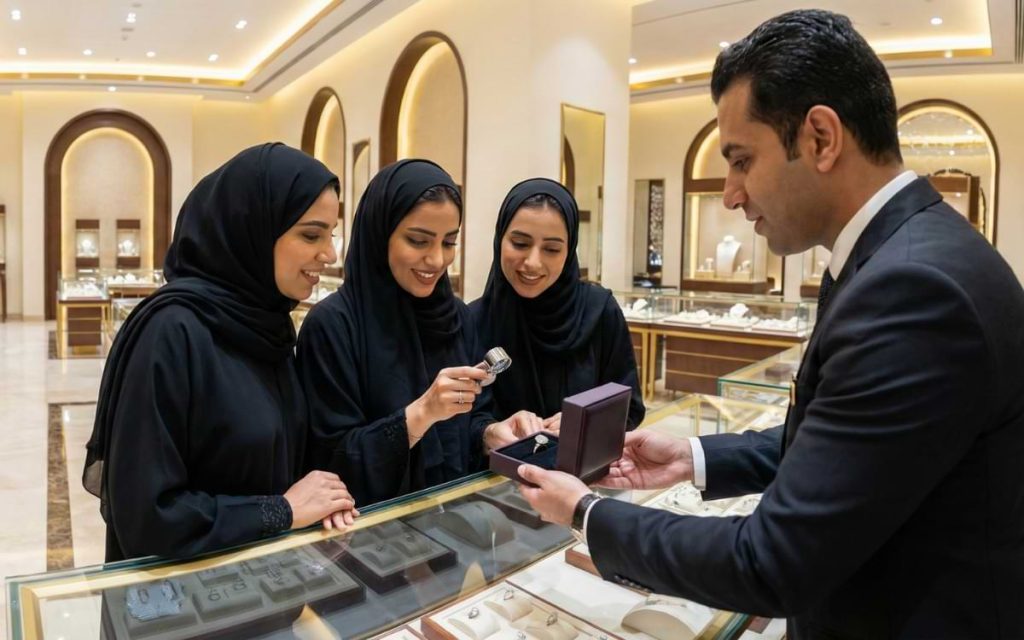
An original diamond ring refers to jewelry featuring a naturally mined diamond, as opposed to synthetic or simulated alternatives. These stones form over billions of years deep within the Earth and are valued for their rarity, optical properties, and cultural significance in engagement and ceremonial contexts.
The UAE has established itself as a prominent destination for diamond purchases due to several structural advantages. Buyers benefit from zero value-added tax on jewelry purchases, access to extensive wholesale networks connected to major diamond trading centers, and a competitive retail environment spanning traditional souks to high-end boutiques. This combination creates pricing conditions that often undercut markets in Europe, North America, and parts of Asia.
Natural diamonds differ fundamentally from lab-grown diamond alternatives, which are chemically identical but created through controlled industrial processes. While both serve similar aesthetic purposes, natural stones command higher prices due to perceived rarity and traditional market positioning. Certification from recognized gemological laboratories provides the primary means of verifying authenticity and quality parameters.
Diamond Ring Price Ranges in the UAE
Diamond ring pricing in the UAE follows predictable patterns based on stone quality, setting complexity, and retail positioning. Understanding these brackets helps establish realistic budget expectations before entering the market.
Entry-Level Certified Diamond Rings
AED 900 – AED 3,000
This range includes rings featuring small natural diamonds, typically under 0.25 carats, set in 18-karat gold bands. These pieces suit buyers seeking genuine diamond jewelry for everyday wear or as starter engagement options. Stone quality at this tier often falls in the I-J color range and SI clarity grades.
Mid-Range Engagement and Daily-Wear Rings
AED 3,000 – AED 15,000
Most engagement ring purchases in the UAE fall within this bracket. Buyers can expect certified diamonds between 0.3 and 0.7 carats, with options spanning solitaire, halo, and three-stone designs. This segment offers the widest selection of styles and represents the highest volume of transactions in local jewelry stores.
Premium and High-Value Diamond Rings
AED 15,000 – AED 50,000+
One-carat certified natural diamonds with favorable grading reports begin in this range. Premium pieces feature higher color grades (D-F), superior clarity (VS2 or better), and excellent cut specifications. Designer settings and branded jewelry command additional premiums beyond stone value.
UAE Diamond Ring Price Reference
| Diamond Size | Certification | Metal Type | Price Range (AED) |
| 0.15 – 0.25 ct | Store certificate | 18K Gold | 900 – 2,500 |
| 0.30 – 0.50 ct | IGI or GIA | 18K Gold | 3,500 – 8,000 |
| 0.50 – 0.70 ct | GIA | 18K Gold or Platinum | 8,000 – 15,000 |
| 0.80 – 1.00 ct | GIA | Platinum | 16,500 – 30,000 |
| 1.00+ ct (Premium) | GIA (Excellent cut) | Platinum | 30,000 – 50,000+ |
Price ranges derived from market observations across Dubai Gold Souk retailers and online jewelry platforms serving the UAE market.
What Determines Diamond Ring Prices?
Diamond Quality Grading: The Four Cs
Diamond valuation follows an internationally standardized framework examining four primary characteristics. Carat weight measures the stone’s physical mass, with prices increasing exponentially rather than linearly at key thresholds (0.5ct, 1.0ct, 2.0ct). Cut quality affects how light interacts with the stone, directly influencing its visual appeal and brilliance. Color grading runs from D (colorless) through Z (light yellow), with colorless stones commanding significant premiums. Clarity measures internal inclusions and external blemishes, ranging from Flawless to Included categories. According to GIA’s diamond quality guidelines, cut has the most significant impact on a diamond’s visual appearance and value perception.
Certification and Its Impact on Value
Independent laboratory certification provides objective verification of a diamond’s quality characteristics. GIA (Gemological Institute of America) certificates carry the strongest market recognition and typically support higher resale values. IGI (International Gemological Institute) certification offers a credible alternative at somewhat lower price points. Uncertified stones may cost 15-30% less initially, but present challenges for future resale and insurance purposes.
Metal Selection and Weight
Ring settings contribute meaningfully to final pricing. Platinum settings cost approximately 40-60% more than equivalent 18-karat gold designs due to material density and purity requirements. White gold offers visual similarity to platinum at lower cost, though it requires periodic rhodium plating to maintain appearance. Yellow and rose gold variants follow standard gold pricing based on weight and karat purity.
Retail Positioning and Margin Structures
Where you purchase significantly affects pricing. Luxury-branded boutiques apply substantial premiums for design heritage and retail experience. Independent jewelers in traditional markets like Dubai’s Gold Souk often offer more competitive pricing with room for negotiation. Online retailers typically operate with lower overhead costs, reflected in their pricing structures.
UAE Diamond Market Characteristics
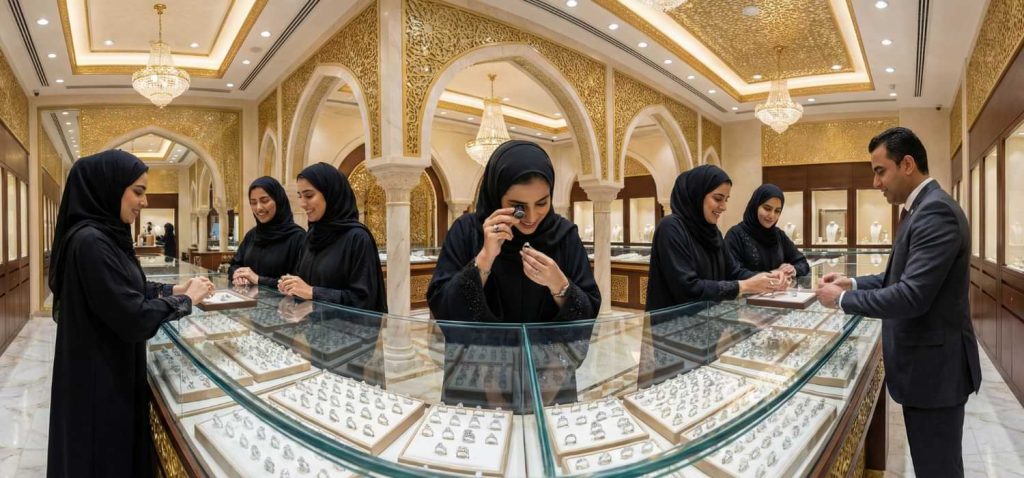
The UAE diamond market benefits from its position as a global trading hub with direct connections to cutting centers in Antwerp, Mumbai, and Tel Aviv. This supply chain efficiency translates to competitive wholesale pricing that retailers can pass on to consumers.
Making charges, the labor cost added to precious metal jewelry, represent a negotiable component in traditional market settings. These charges typically range from 8% to 25% of metal value, depending on design complexity and retail venue. Negotiation is expected and appropriate in souk environments, though less common in mall-based or branded stores.
Cultural purchasing patterns show strong demand around engagement seasons and festival periods, when promotional pricing becomes more prevalent. The expatriate-heavy population creates diverse demand spanning various design traditions and price points. Data from the Dubai Multi Commodities Centre indicates the UAE processes billions of dollars in rough and polished diamond trade annually, reinforcing its significance as a sourcing destination.
Resale expectations should remain modest. Secondary market values for diamond jewelry typically recover 30-50% of original retail price, depending on stone quality and market conditions. This depreciation curve resembles most consumer luxury goods rather than investment-grade assets.
UAE Pricing Compared to Other Markets
| Market | Tax Structure | Relative Pricing | Key Considerations |
| UAE | 0% VAT on jewelry | Baseline reference | Direct sourcing, competitive retail market |
| United States | 0-10% sales tax by state | 5-15% higher | Strong consumer protections, varied state taxes |
| United Kingdom | 20% VAT | 15-25% higher | VAT reclaim possible for tourists |
| India | 3% GST + import duties | Similar to slightly lower | Strong cutting industry, varied quality control |
These comparisons reflect structural differences in taxation and market positioning rather than inherent stone quality variations. Identical GIA-certified diamonds should theoretically command similar base prices globally, with regional differences stemming from taxes, import duties, and retail margin expectations.
Related: Understanding the cost difference between natural and synthetic options is essential for informed purchasing. Our detailed analysis of lab-grown diamond prices explains current market dynamics and value considerations.
Key Pricing Facts at a Glance
- Entry-level natural diamond rings in the UAE start around AED 900 for small stones in gold settings
- Most engagement ring purchases fall between AED 3,000 and AED 15,000
- One-carat GIA-certified natural diamonds typically begin at AED 16,500
- UAE offers zero VAT on jewelry purchases, unlike most Western markets
- GIA certification commands higher market confidence than other laboratories
- Platinum settings cost 40-60% more than equivalent gold designs
- Making charges in traditional markets range from 8% to 25% and are negotiable
- Diamond prices increase exponentially at psychological thresholds (0.5ct, 1.0ct, 2.0ct)
- Resale values typically recover 30-50% of the original purchase price
- Cut quality has the greatest impact on a diamond’s visual appearance among the four Cs
Frequently Asked Questions
What is a realistic budget for a 1-carat diamond ring in the UAE?
A certified natural 1-carat diamond ring with good quality grades (G-H color, VS clarity) typically costs between AED 16,500 and AED 25,000 in the UAE market. Higher specifications or designer settings push prices above AED 30,000.
Can I find certified diamond rings under AED 3,000 in the UAE?
Yes, certified diamond rings with smaller stones (0.15-0.30 carats) are available from AED 900 to AED 3,000. These typically feature IGI or store-level certification rather than GIA grading.
Does bargaining affect diamond prices in Dubai?
In traditional market settings like the Gold Souk, negotiation is standard practice and can reduce prices by 10-25%. Mall stores and branded boutiques typically maintain fixed pricing with limited flexibility.
What certification should I look for when buying in the UAE?
GIA certification provides the strongest market recognition and supports better resale value. IGI certification offers a credible alternative. Avoid purchases relying solely on in-house grading without independent verification.
How do UAE diamond prices compare to buying in the US or UK?
UAE prices are typically 10-20% lower than comparable purchases in the US and 15-25% below UK retail, primarily due to zero VAT and competitive wholesale access. Quality and certification standards remain equivalent.
HOW THIS PRICING DATA IS EVALUATED
Price ranges presented in this guide reflect market observations from UAE jewelry retailers, online platforms serving the Emirates market, and established industry pricing benchmarks. Diamond valuations reference GIA grading standards as the primary quality framework. Information is reviewed periodically to reflect current market conditions, with the understanding that individual prices vary based on specific stone characteristics, retailer positioning, and negotiation outcomes. This content serves educational purposes and does not constitute financial or purchasing advice.